
Coastal Gothic: Where the Sea Meets Shadows
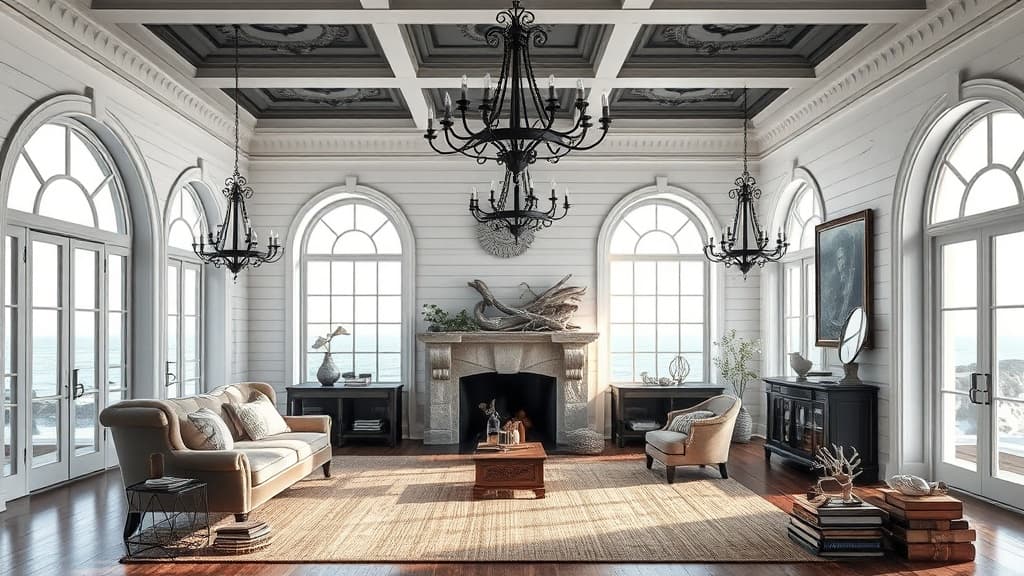
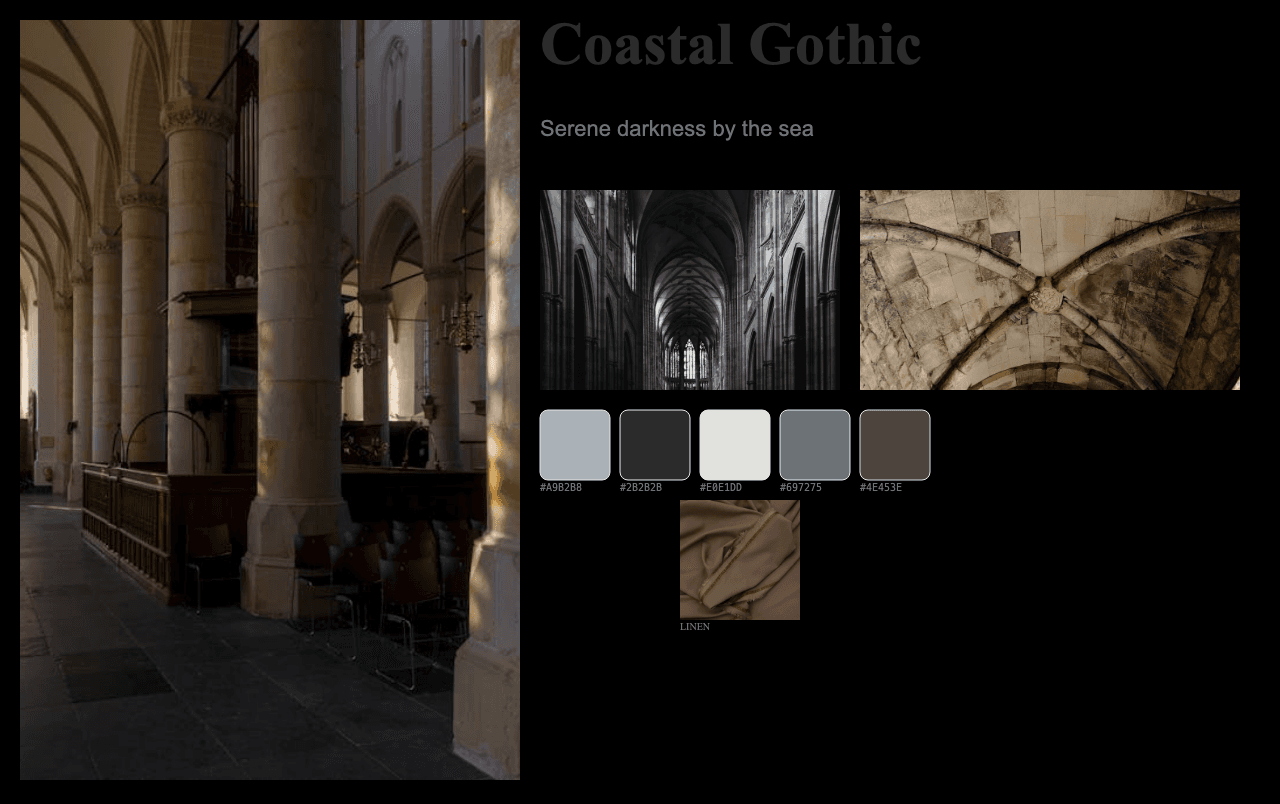
Coastal Gothic fuses the light, breezy atmosphere of coastal design with the somber, elegant drama of Gothic style. It's an unexpected pairing that results in spaces that are both calming and captivating, offering a unique twist on traditional coastal interiors.
Key Characteristics:
- Muted Coastal Colors with Dark Accents: A base palette of soft blues, grays, and whites, contrasted with blacks, deep purples, and charcoal grays.
- Natural Coastal Elements: Incorporating seashells, driftwood, coral, and other natural elements found on the beach.
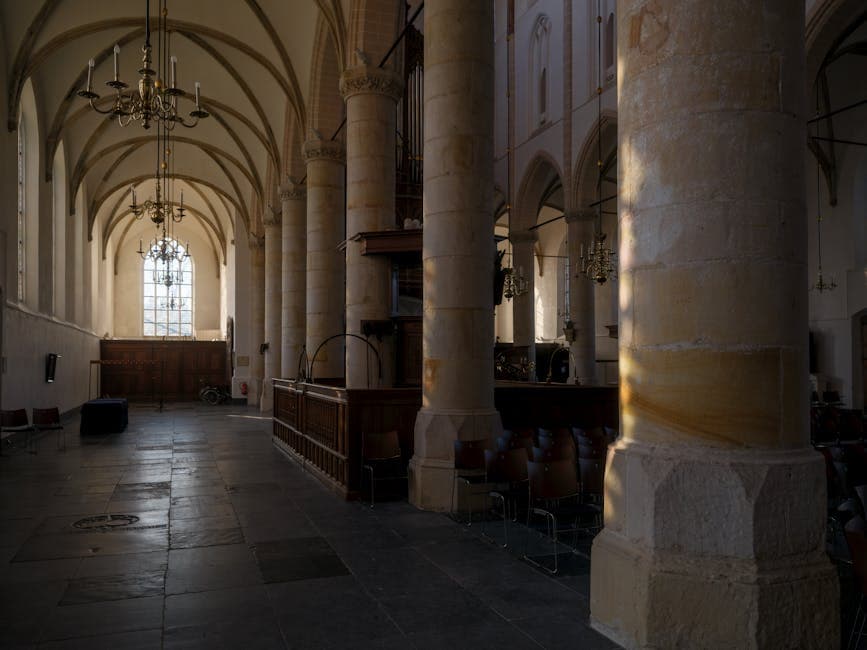
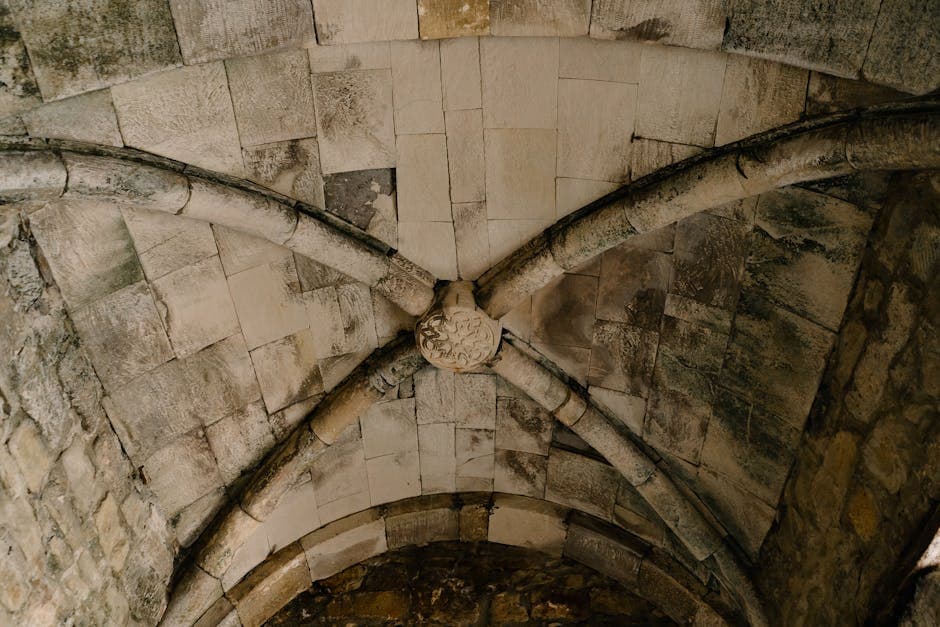
- Gothic Architectural Details: Arched doorways, pointed windows, and vaulted ceilings, if architecturally feasible. Otherwise, mimic these shapes in furniture and decor.
- Dark Wood Finishes: Using dark stained or painted wood for furniture and flooring.
- Iron Accents: Incorporating wrought iron details in lighting fixtures, furniture, and accessories.
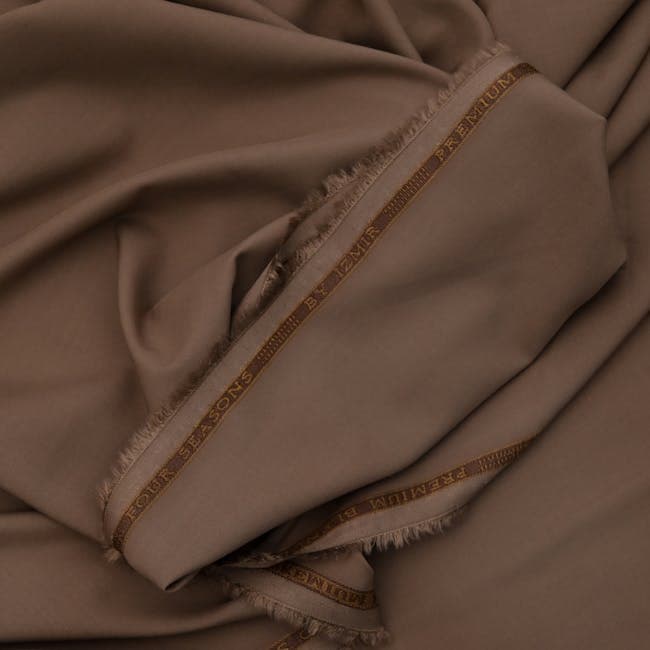
- Sheer Fabrics: Using sheer curtains and fabrics to allow light to filter through while maintaining a sense of privacy and mystery.
- Nautical Antiques: Incorporating antique nautical instruments, maps, and artifacts.
How to Achieve the Look:
- Start with a Neutral Base: Paint walls in soft whites, grays, or blues to create a calming coastal foundation.
- Introduce Dark Accents: Use black or charcoal gray for trim, doors, and accent walls.
- Incorporate Coastal Elements: Display seashells, driftwood, and coral in glass jars or on shelves.
- Add Gothic Touches: Hang gothic-style mirrors, use dark wood furniture, and incorporate wrought iron details.
- Layer Fabrics: Use sheer curtains to soften the light and add layers of texture with pillows and throws in contrasting colors.
- Incorporate Nautical Antiques: Add antique nautical instruments, maps, and artifacts to create a sense of history and intrigue.
- Pay Attention to Lighting: Use a combination of ambient, task, and accent lighting to create a moody and atmospheric space.