

Gothic Prairie Design
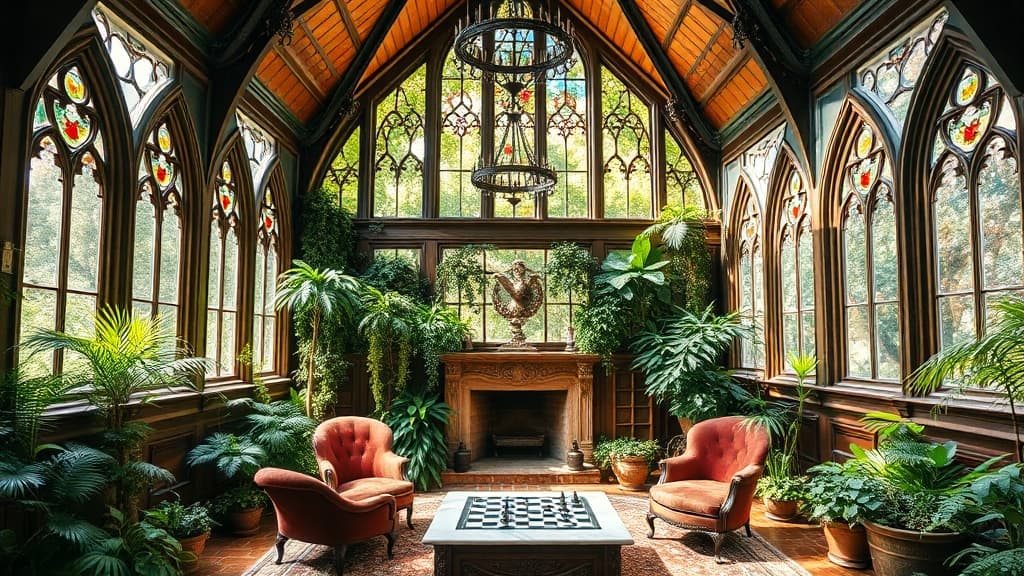
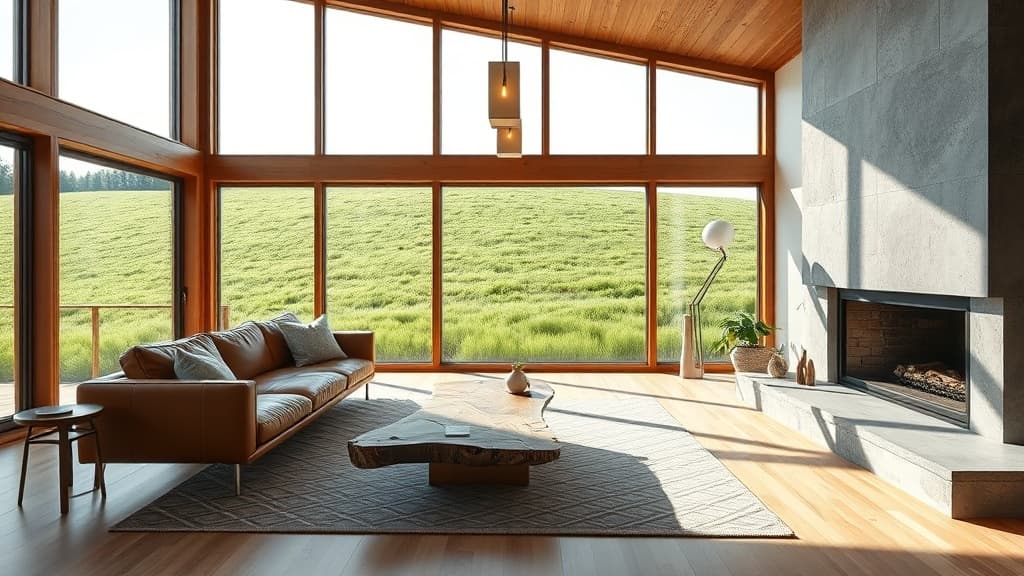
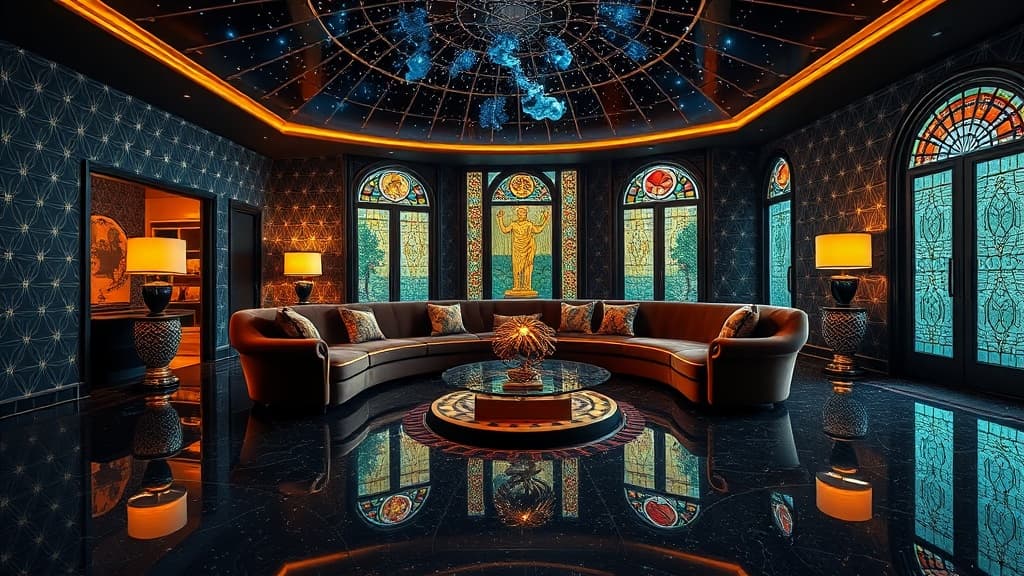
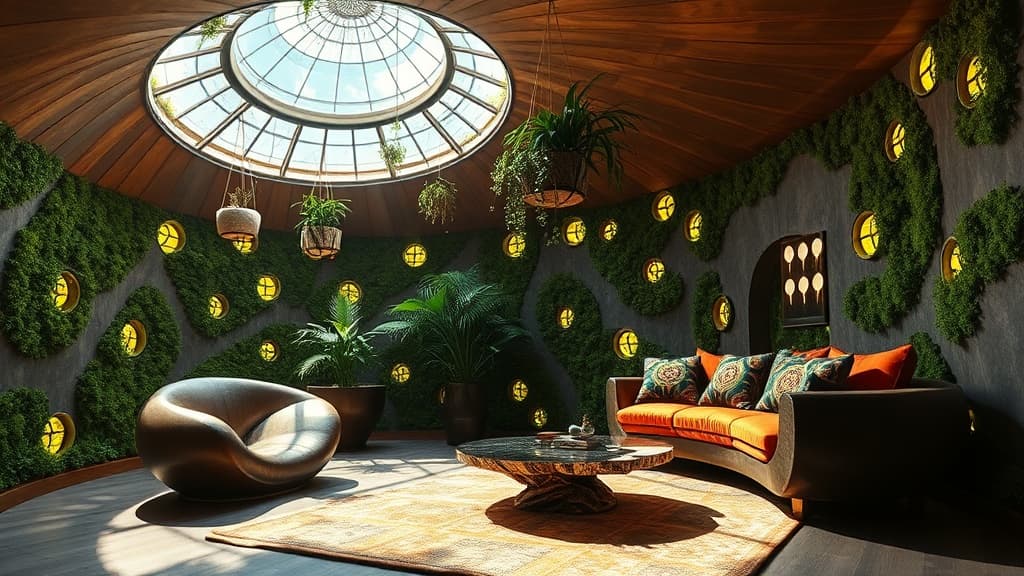
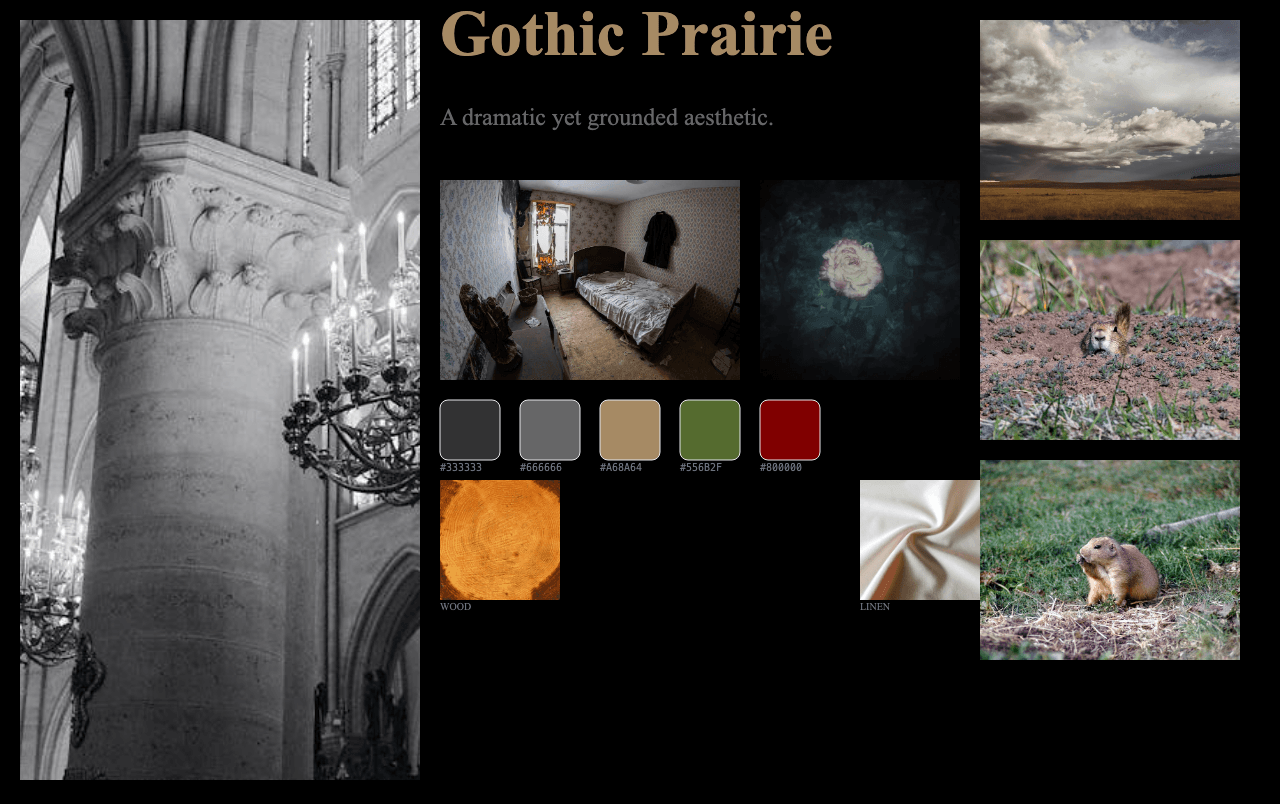
Gothic Prairie combines the dark, dramatic elements of Gothic design with the natural, earthy tones and open spaces of Prairie style. The result is a uniquely dramatic, yet grounded aesthetic.
Key Characteristics
- Dark Wood Tones: Emphasis on dark stained or naturally dark woods like walnut, mahogany, or ebony for furniture, flooring, and trim.
- Earthy Color Palette: Grounded in muted greens, browns, grays, and creams, often complemented by deep jewel tones like burgundy, emerald, and sapphire.
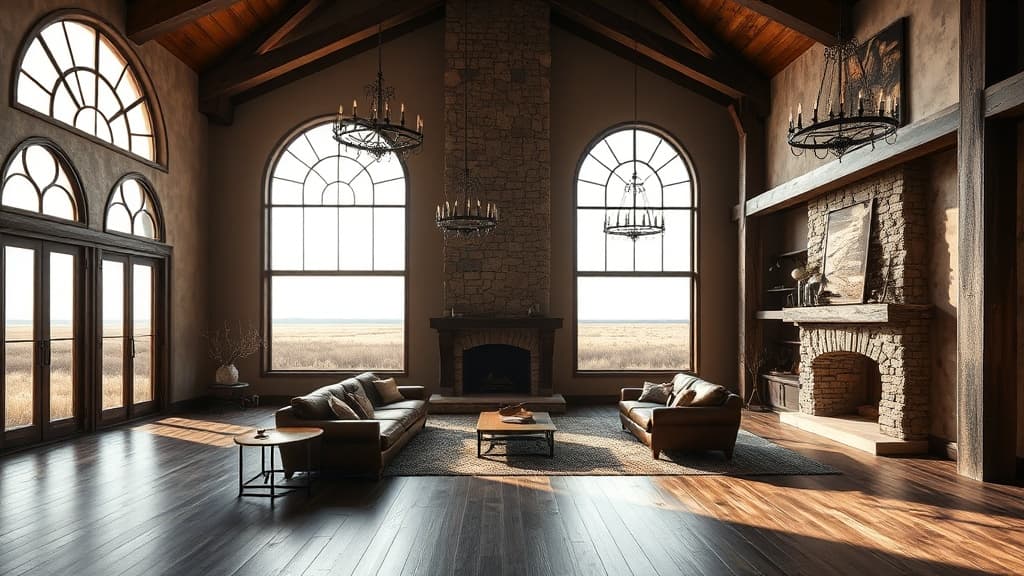
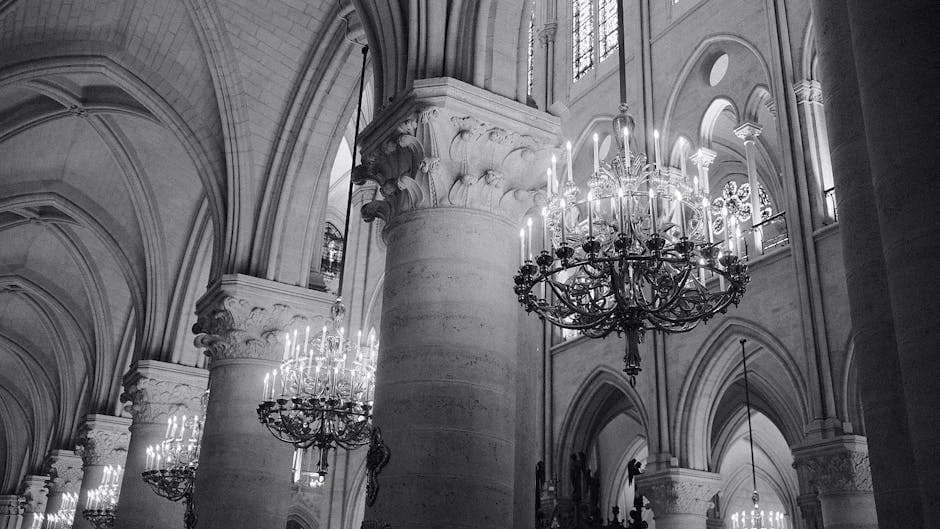
- Gothic Arches: Incorporation of pointed arches in architectural features, such as doorways, windows, and decorative elements.
- Wrought Iron Details: Use of wrought iron for lighting fixtures, furniture accents, and decorative elements, adding a touch of Gothic elegance.
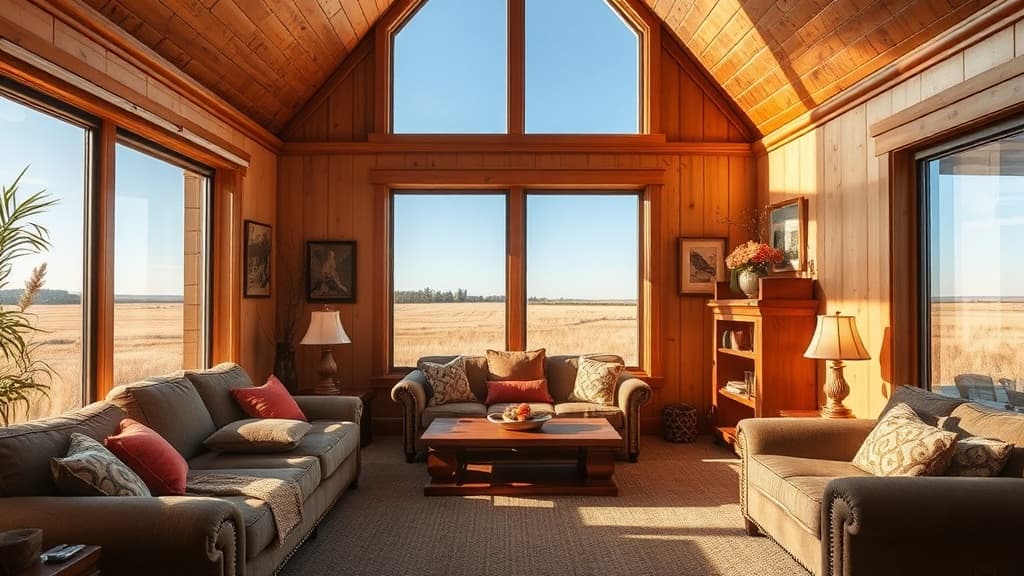
- Prairie-Inspired Natural Light: Large windows and open floor plans to maximize natural light, creating a sense of spaciousness.
- Rustic Textures: Combination of smooth, polished surfaces with rough, natural textures like reclaimed wood, stone, and exposed brick.
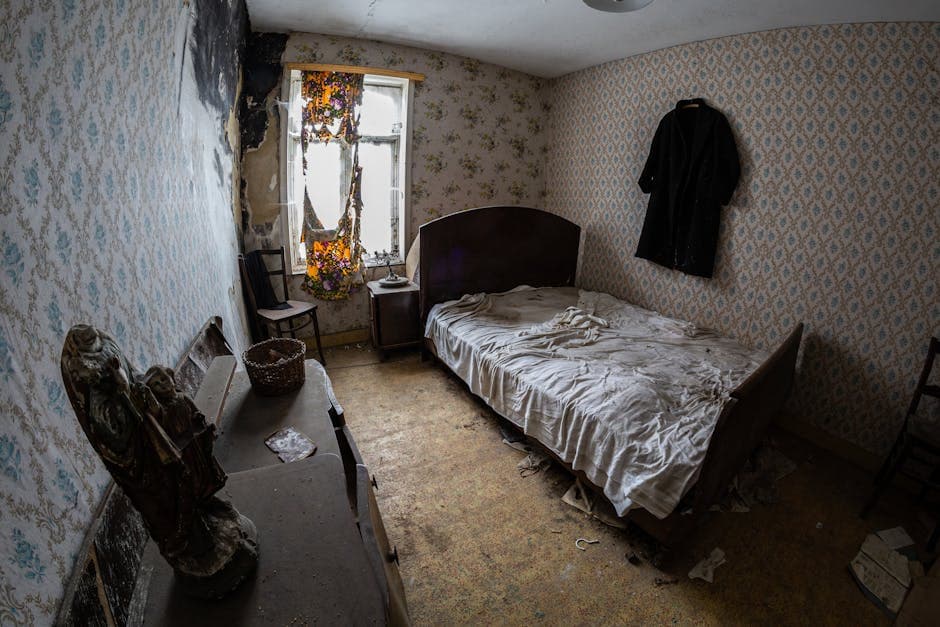
- Gothic Revival Decor: Inclusion of Gothic-inspired decorative elements, such as antique mirrors, candlesticks, and religious iconography.
How to Achieve the Look
- Use Dark Wood Tones: Choose furniture and flooring in dark stained or naturally dark woods.
- Embrace an Earthy Color Palette: Paint walls in muted greens, browns, grays, or creams, and add pops of color with jewel-toned accents.
- Incorporate Gothic Arches: Add pointed arches to doorways, windows, or decorative elements.
- Use Wrought Iron Details: Choose lighting fixtures, furniture accents, and decorative elements made from wrought iron.
- Maximize Natural Light: Install large windows and create an open floor plan to maximize natural light.
- Combine Rustic Textures: Mix smooth, polished surfaces with rough, natural textures.
- Add Gothic Revival Decor: Incorporate Gothic-inspired decorative elements, such as antique mirrors, candlesticks, and religious iconography.