




Adaptive Reuse Industrial Architecture
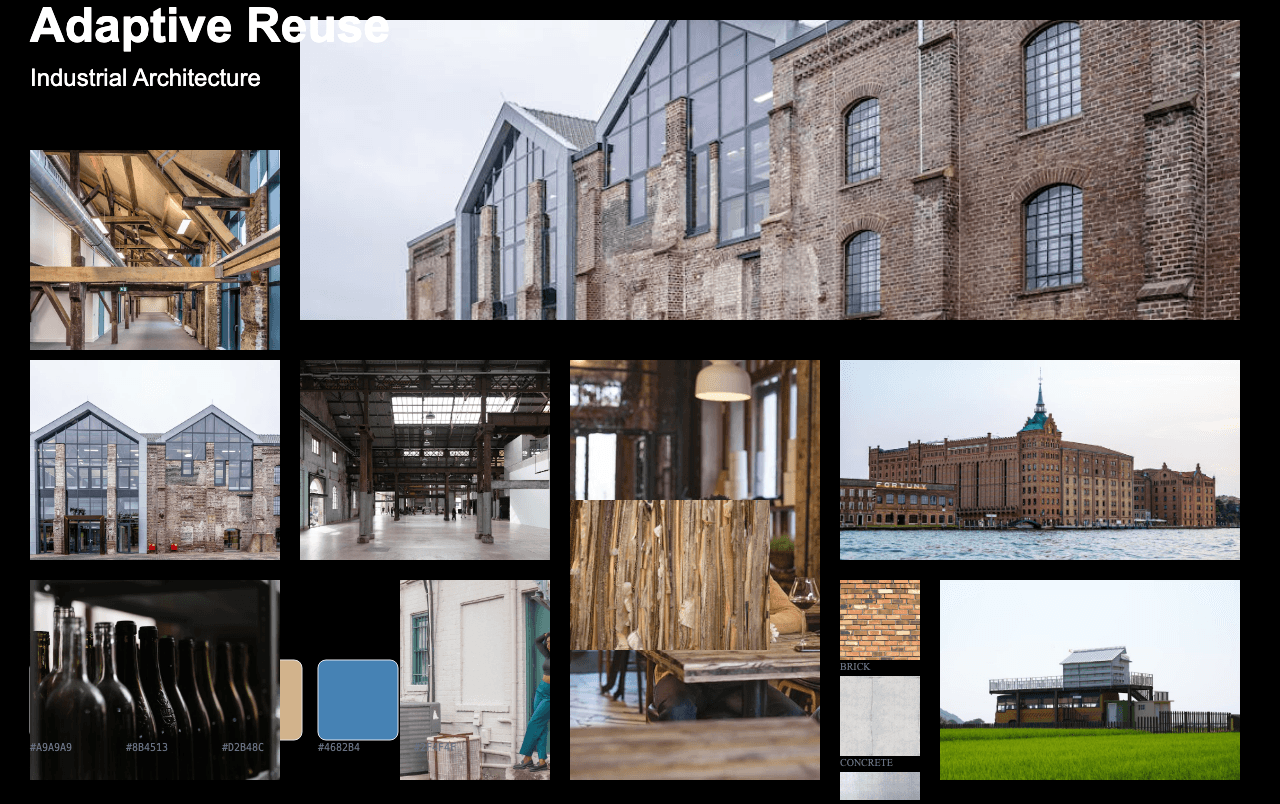
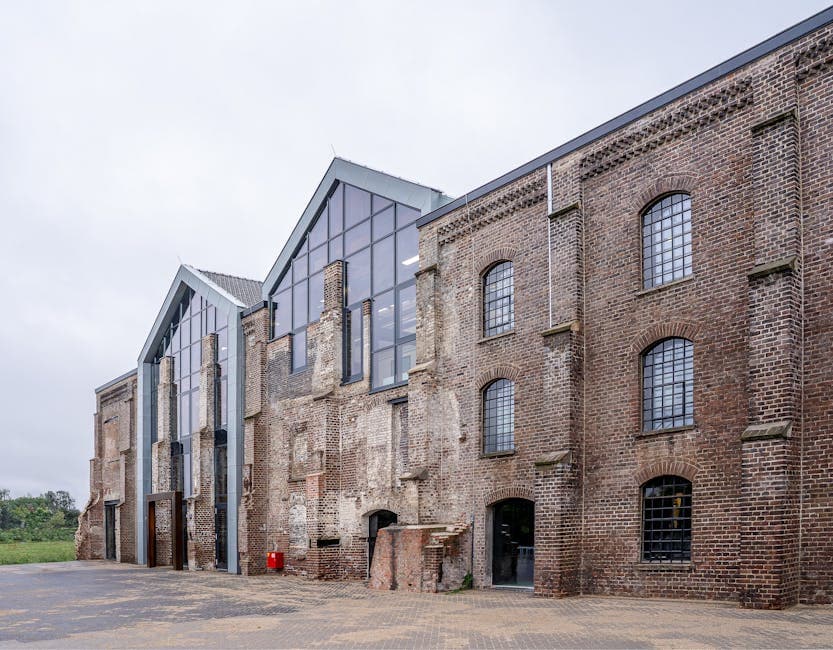
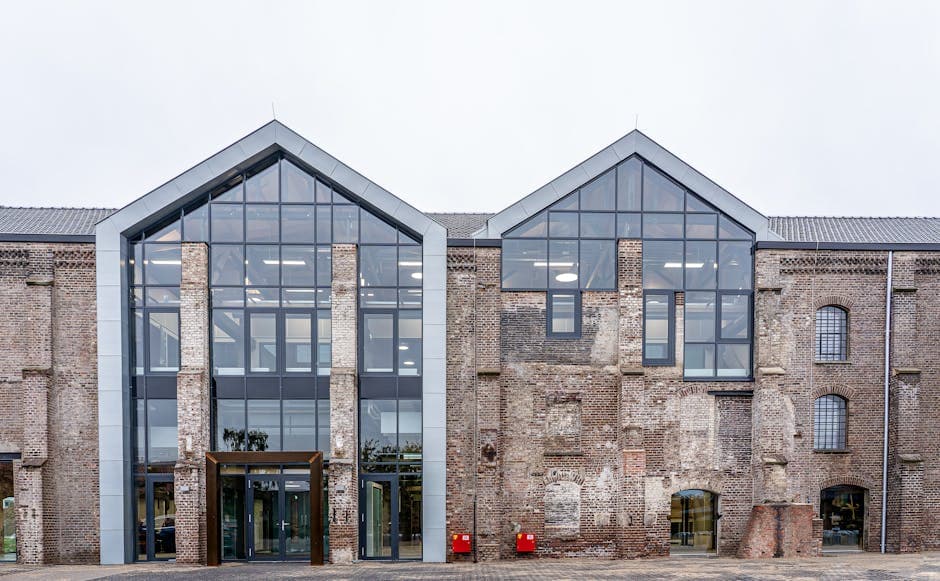
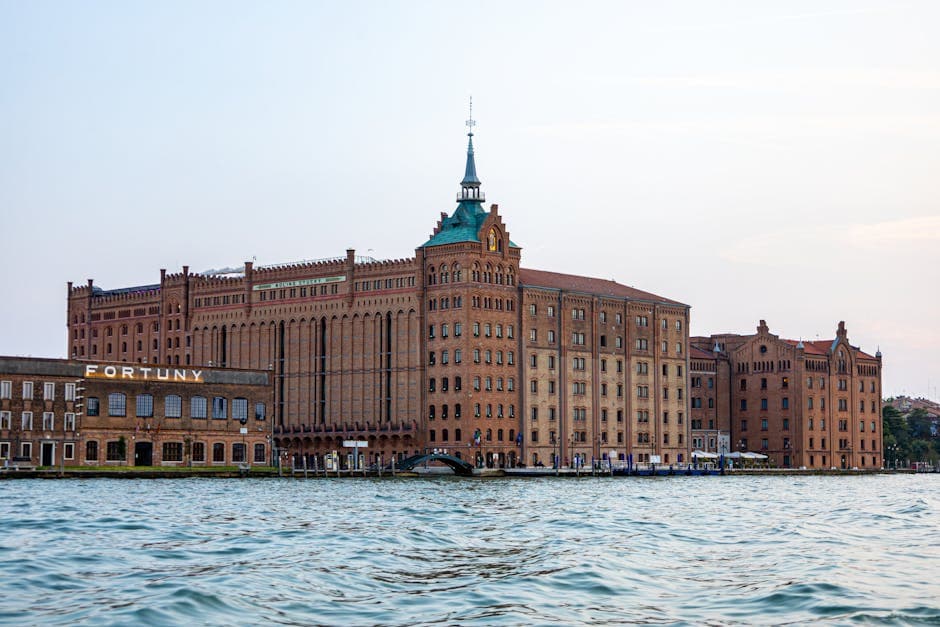
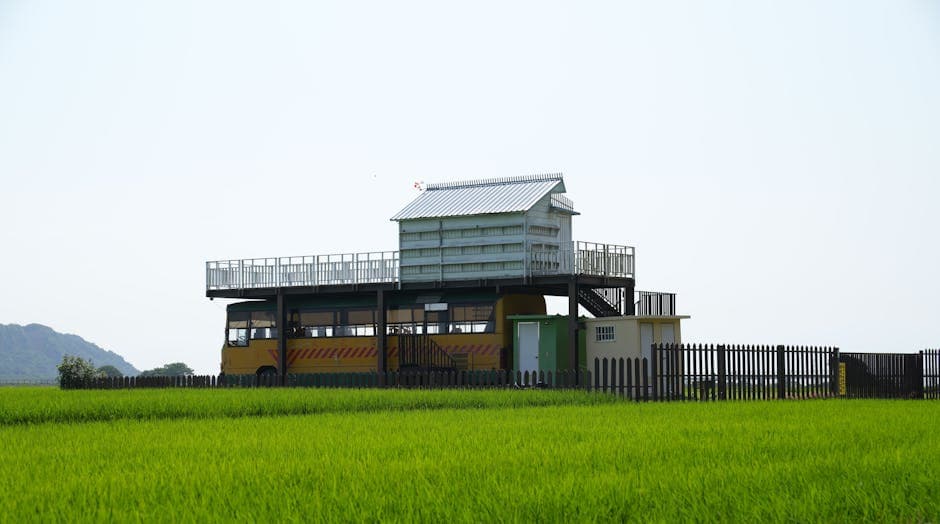
Adaptive Reuse Industrial Architecture focuses on giving new life to old industrial spaces, transforming them into contemporary buildings while respecting their original industrial heritage.
Key Characteristics:
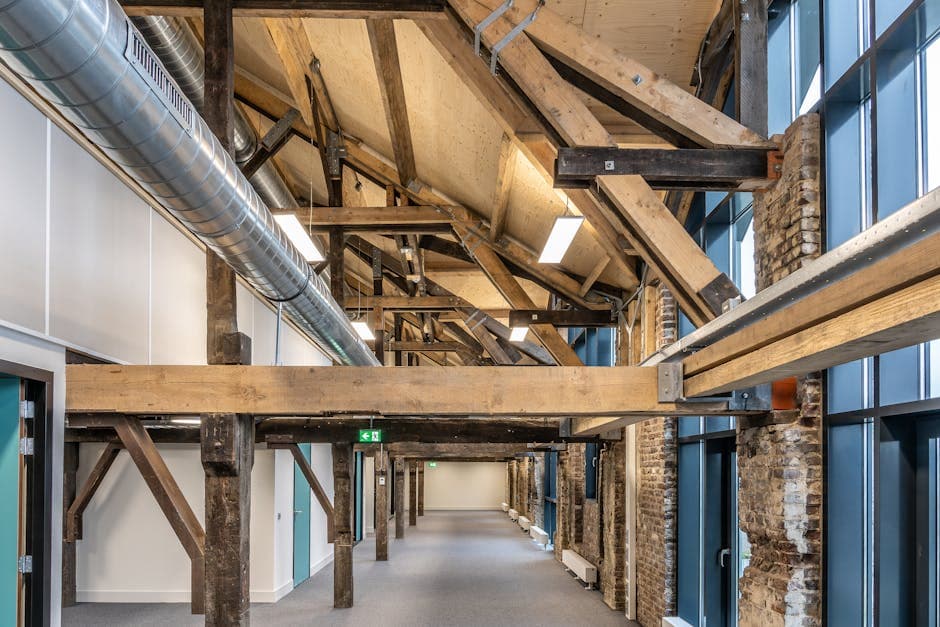
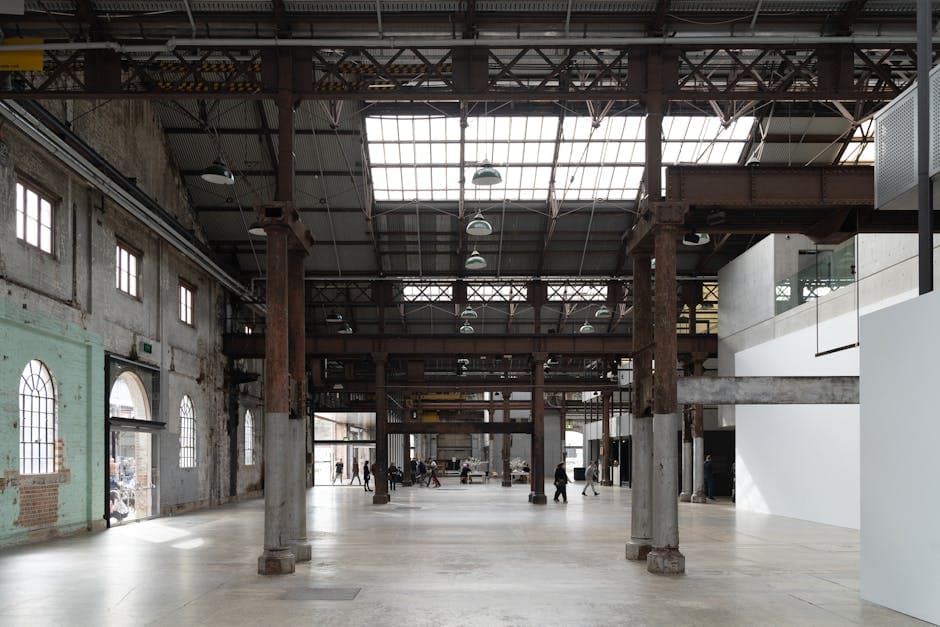
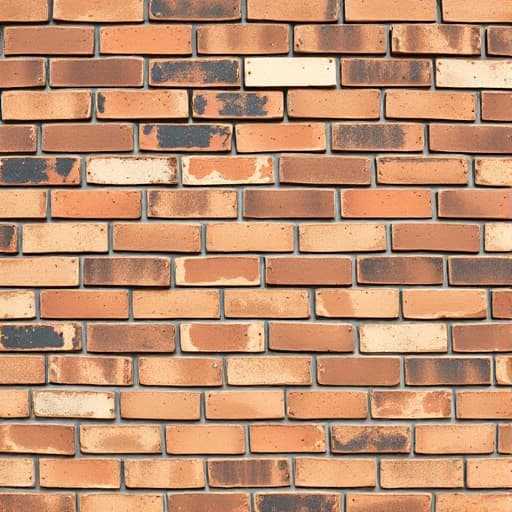
- Preservation of Industrial Elements: Retaining original features such as exposed brick, concrete, steel beams, and large windows.
- Open Floor Plans: Utilizing the spacious interiors of industrial buildings to create open and flexible layouts.
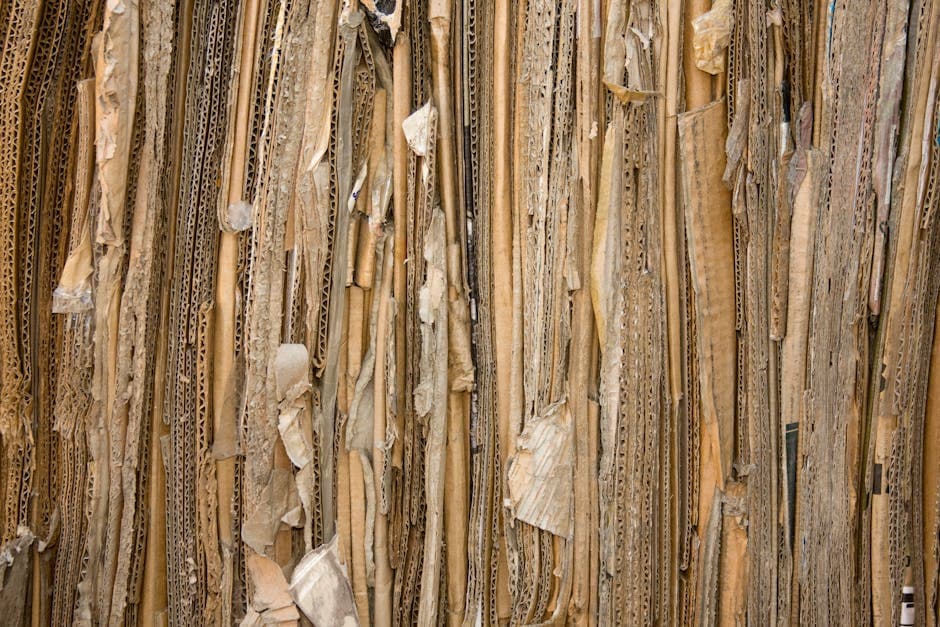
- Raw and Unfinished Aesthetic: Embracing the imperfections and textures of the original materials.
- Integration of Modern Design: Incorporating contemporary elements such as minimalist furniture, sleek lighting, and modern technology.
- Emphasis on Sustainability: Repurposing existing structures reduces waste and minimizes the environmental impact of new construction.
How to Achieve the Look:
- Identify and Preserve Original Features: Carefully assess the existing building and identify elements that can be preserved and highlighted.
- Create Open and Flexible Spaces: Maximize the use of the open floor plans to create adaptable and multi-functional areas.
- Incorporate Modern Elements: Introduce contemporary design elements that complement the industrial aesthetic.
- Focus on Functionality: Ensure the repurposed building meets the needs of its new occupants.
- Prioritize Sustainability: Use sustainable materials and practices in the renovation process.


