


Parametricist Biomorphic Architecture
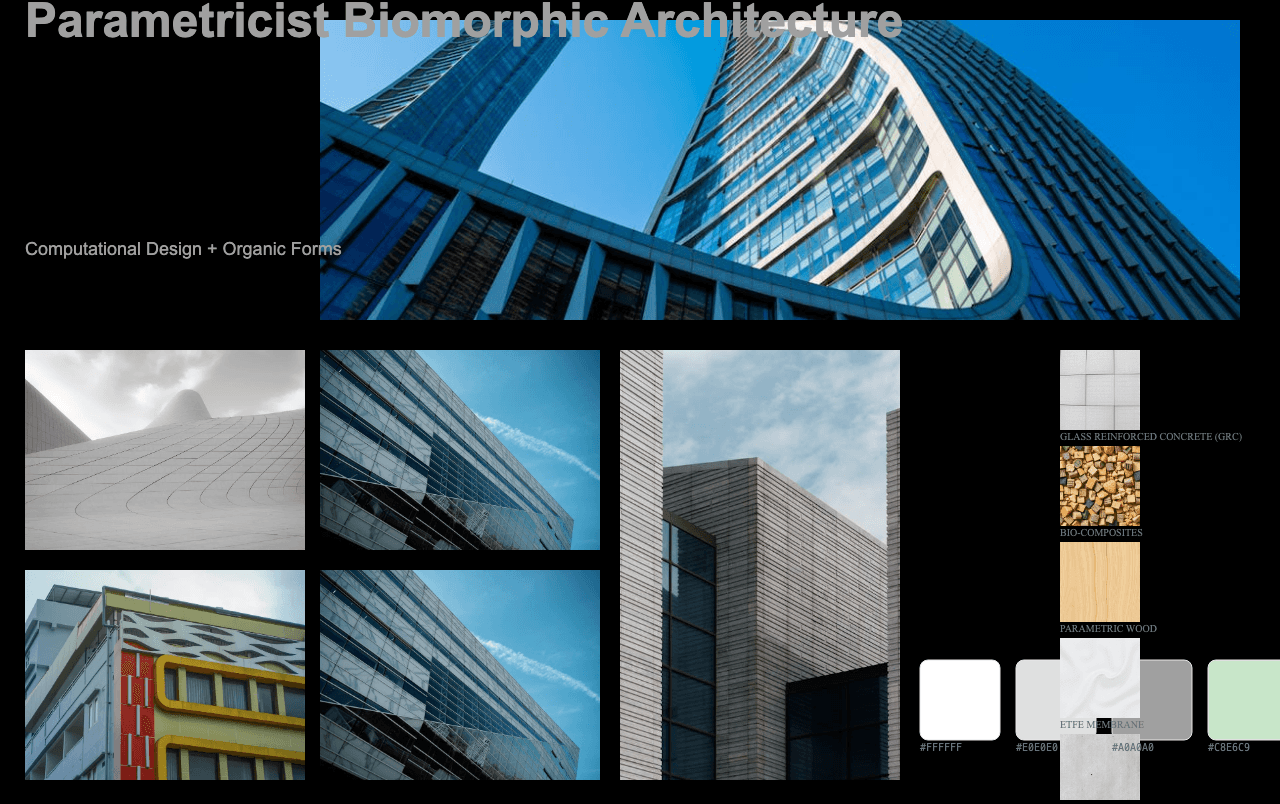
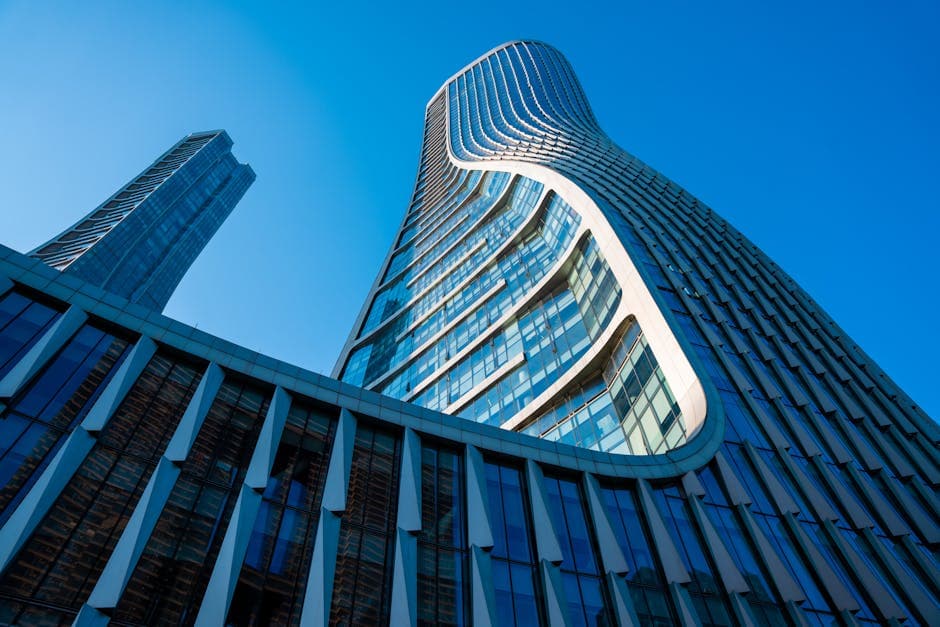
This style marries the precision of parametric design with the fluidity of biomorphism, resulting in buildings that appear to grow and evolve.
Key Characteristics
- Computational Design: Heavy reliance on algorithms and digital tools to generate complex geometries.
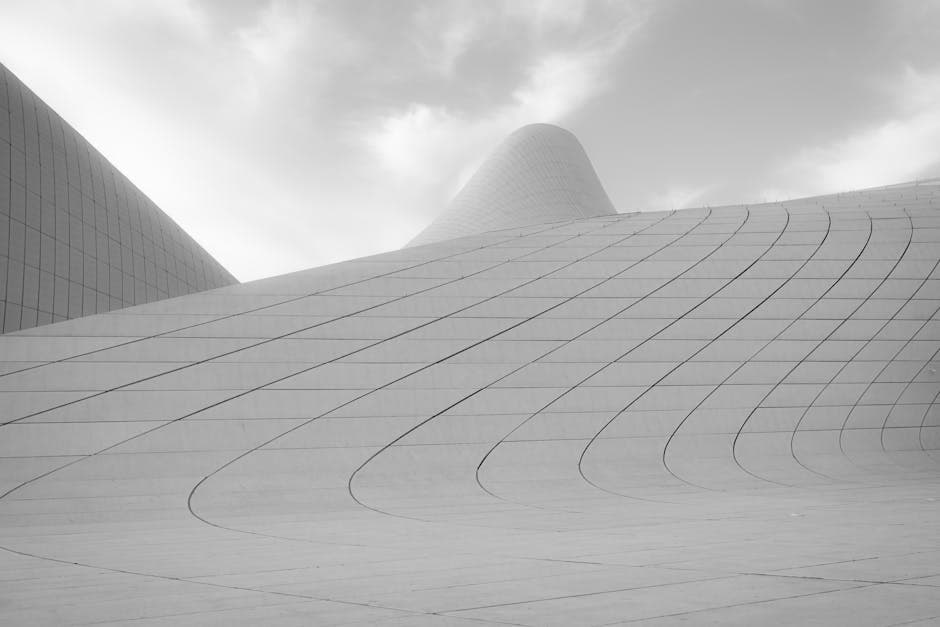
- Organic Forms: Inspiration from natural shapes and biological structures, avoiding straight lines and sharp angles.
- Fluidity and Continuity: Seamless transitions between elements, creating a sense of movement and flow.
- Adaptive Geometry: Building components that respond to environmental conditions and user needs.
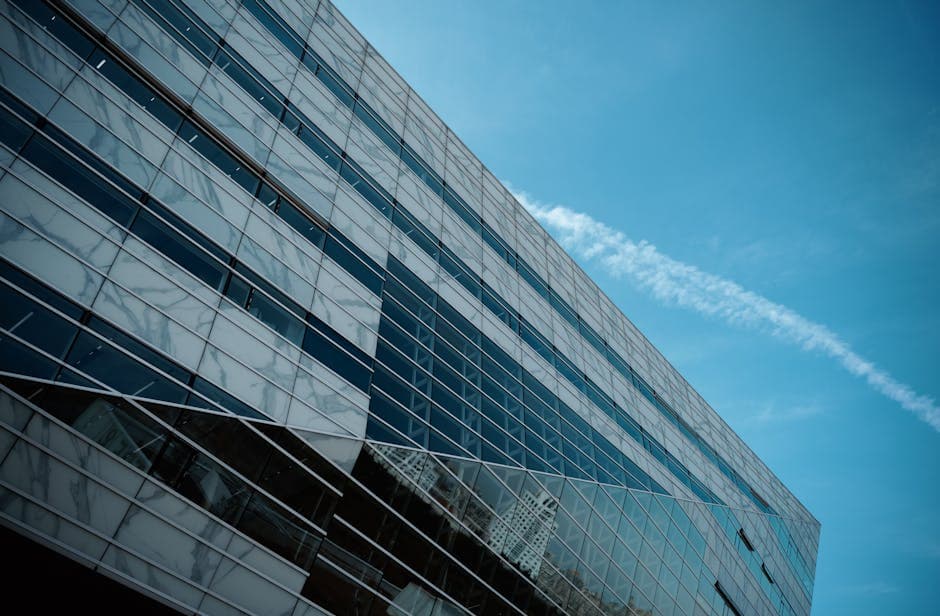
- Material Innovation: Use of advanced materials and fabrication techniques to realize complex forms.
How to Achieve the Look
- Embrace Digital Tools: Utilize parametric modeling software (e.g., Grasshopper, Dynamo) to generate and manipulate complex geometries.
- Study Natural Forms: Analyze biological systems and natural growth patterns for inspiration.
- Prioritize Fluidity: Design smooth transitions and continuous surfaces to create a sense of flow.
- Incorporate Adaptive Elements: Integrate building components that respond to environmental conditions (e.g., shading devices, ventilation systems).
- Experiment with Materials: Explore innovative materials and fabrication techniques that can realize complex forms (e.g., 3D-printed concrete, bio-based composites).


