



Sculptural Organic Architecture
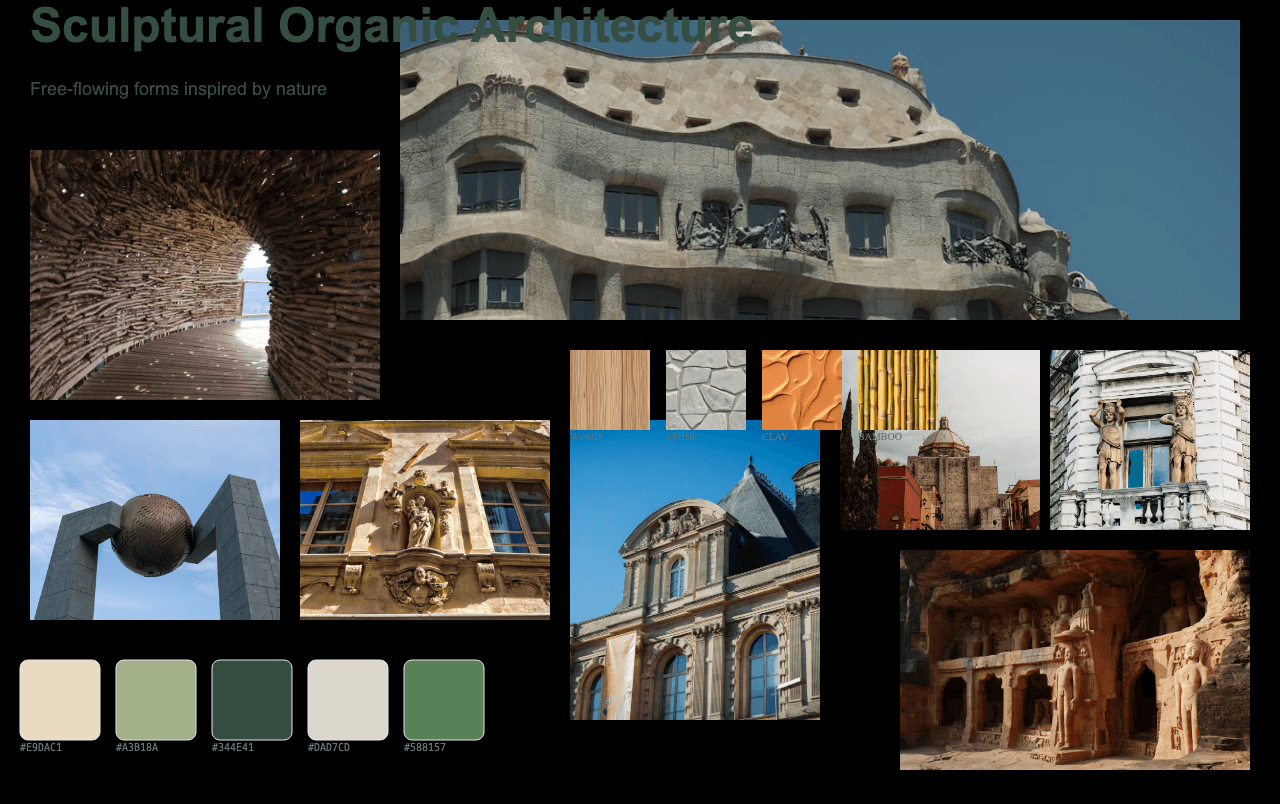
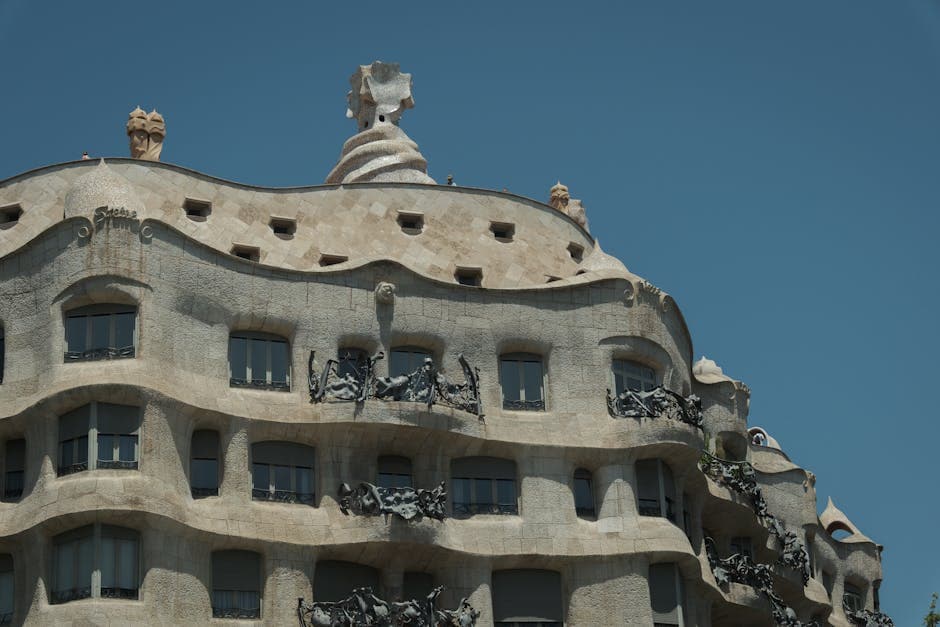
Sculptural Organic Architecture is defined by its fluid, curvilinear forms and its close relationship to the natural world. It seeks to create buildings that are both aesthetically pleasing and environmentally harmonious.
Key Characteristics:
- Biomorphic Forms: Shapes inspired by nature, such as shells, leaves, and flowing water.
- Curvilinear Designs: Smooth, rounded lines and surfaces that create a sense of movement and fluidity.
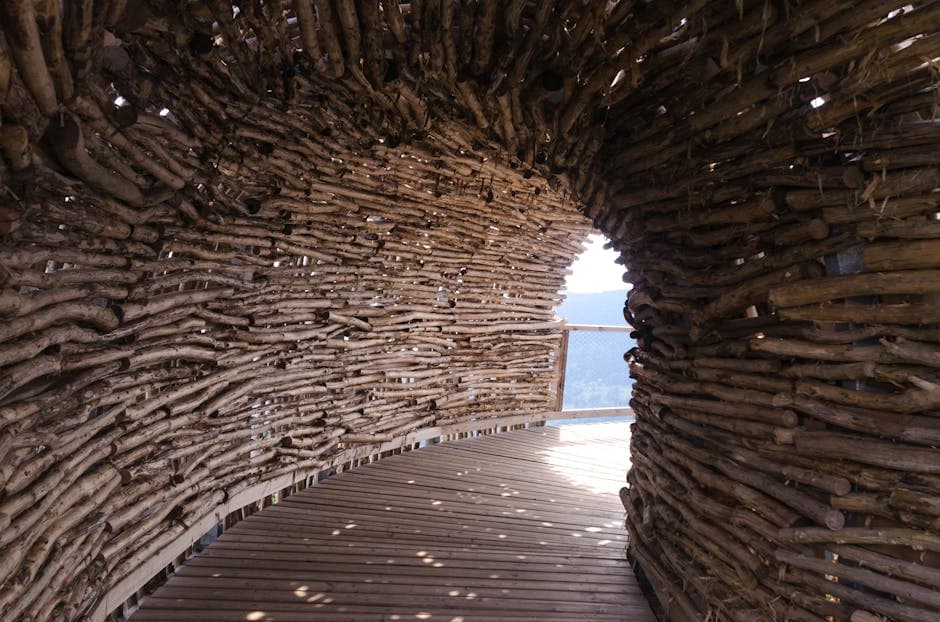
- Seamless Integration with Nature: Buildings designed to blend seamlessly with their natural surroundings.
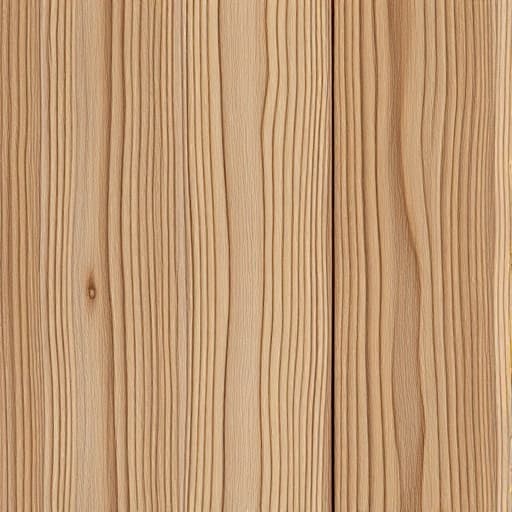
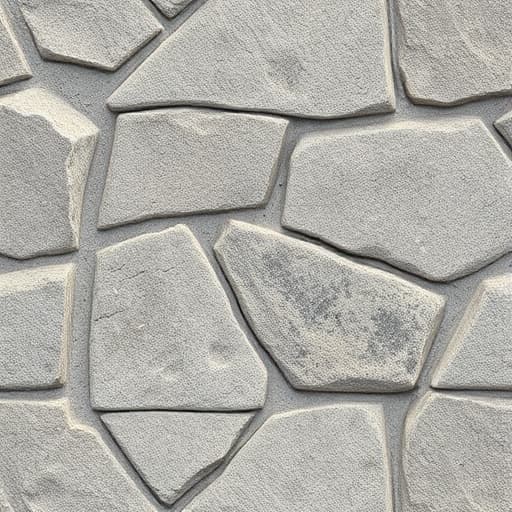
- Use of Natural Materials: Incorporating materials such as wood, stone, and clay to enhance the organic feel.
- Emphasis on Light and Space: Creating open and airy interiors that are filled with natural light.
How to Achieve the Look:
- Draw Inspiration from Nature: Study natural forms and patterns to inform your designs.
- Embrace Curvilinear Shapes: Use curves and rounded lines to create a sense of fluidity and movement.
- Select Natural Materials: Choose materials that are sustainable and complement the organic aesthetic.
- Maximize Natural Light: Design the building to capture and diffuse natural light throughout the interior spaces.
- Create a Sense of Harmony: Blend the building seamlessly with its natural surroundings.


