






Digital Craft Architecture
Digital Craft Architecture is a design approach that bridges the gap between digital precision and the tactile qualities of traditional craftsmanship. It embraces technology not as a replacement for human skill, but as a tool to enhance and expand it, leading to highly customized and expressive architectural forms.
Key Characteristics:
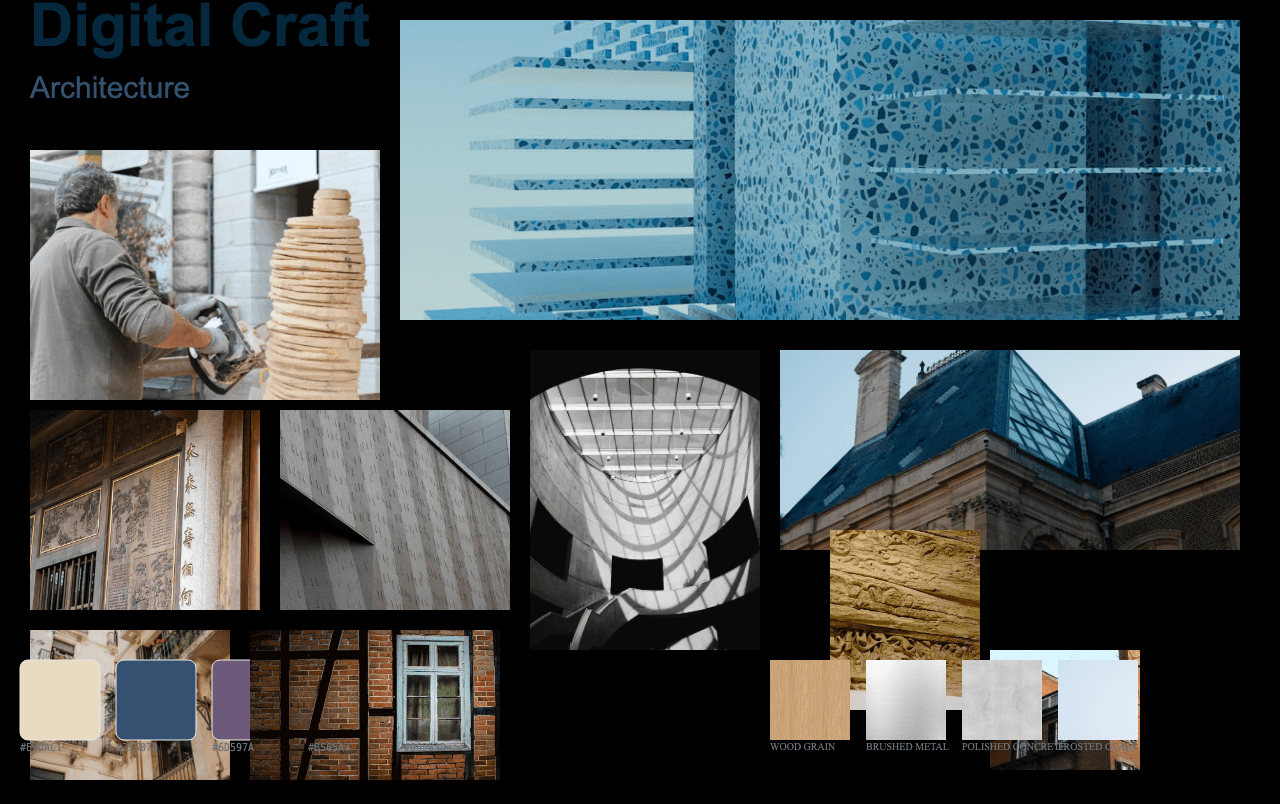
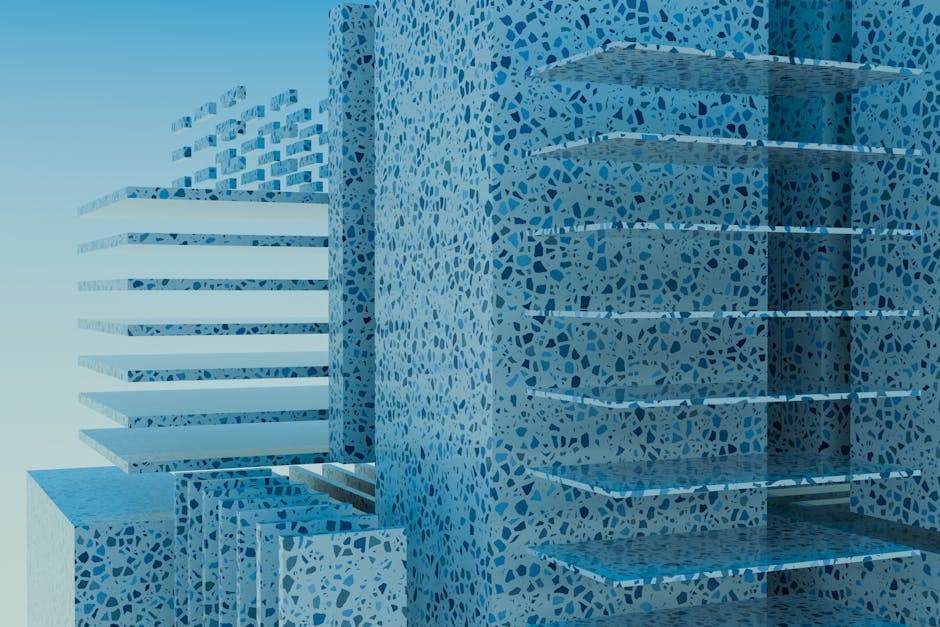
- Digital Fabrication: Uses CNC milling, 3D printing, and robotic assembly to realize complex geometries and intricate patterns.
- Material Exploration: Explores the potential of both traditional and innovative materials, often pushing them beyond their conventional limits.
- Customization & Personalization: Allows for a high degree of customization, tailoring the building to the specific needs and preferences of the client and the site.
- Human-Machine Collaboration: Emphasizes the synergy between human designers/craftspeople and digital tools, fostering a collaborative design process.
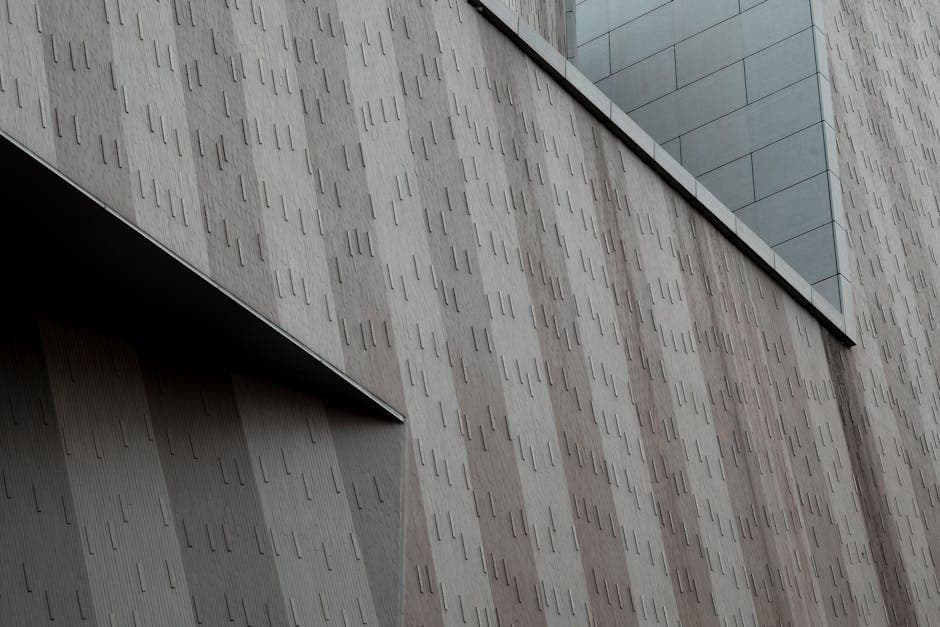
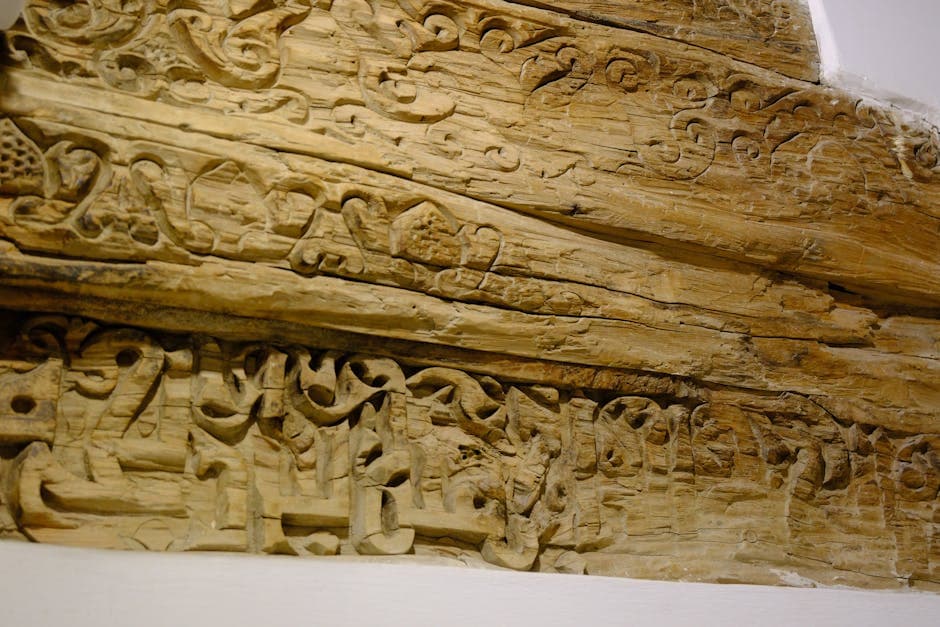
- Ornamentation & Detailing: Incorporates intricate ornamentation and detailing, often inspired by traditional craft techniques.
How to Achieve the Look:
- Embrace Digital Design Tools: Utilize parametric modeling software and scripting to generate complex and customizable forms.
- Experiment with Fabrication Techniques: Explore CNC milling, 3D printing, and robotic fabrication to create intricate components.
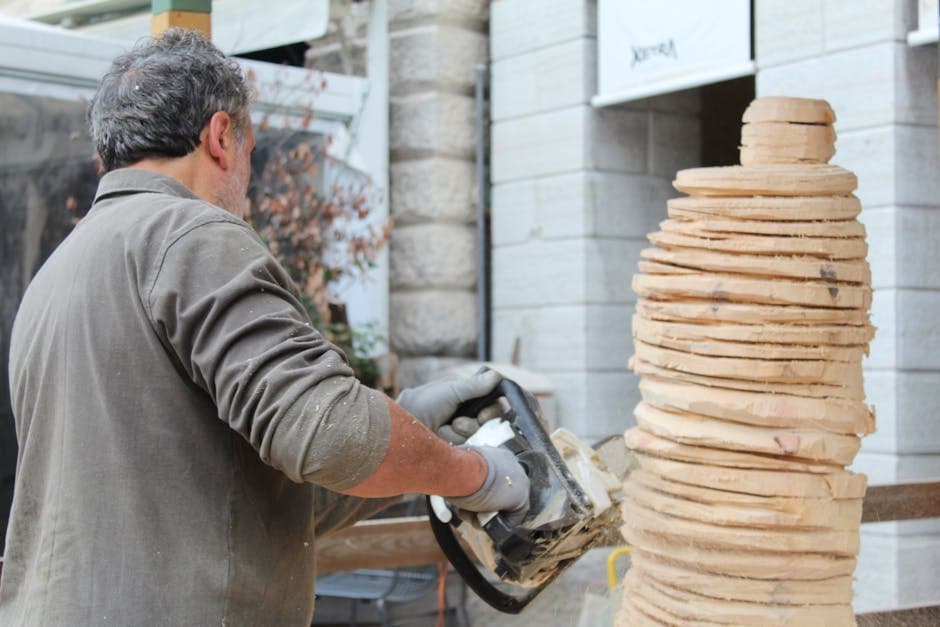
- Integrate Traditional Craft: Incorporate traditional craft techniques, such as woodworking, metalworking, or ceramics, to add a human touch.
- Choose Expressive Materials: Select materials that showcase both their inherent properties and the potential for digital manipulation.
- Prioritize Customization: Design for adaptability, allowing for future modifications and personalization.


